AI
What is image tracking ?
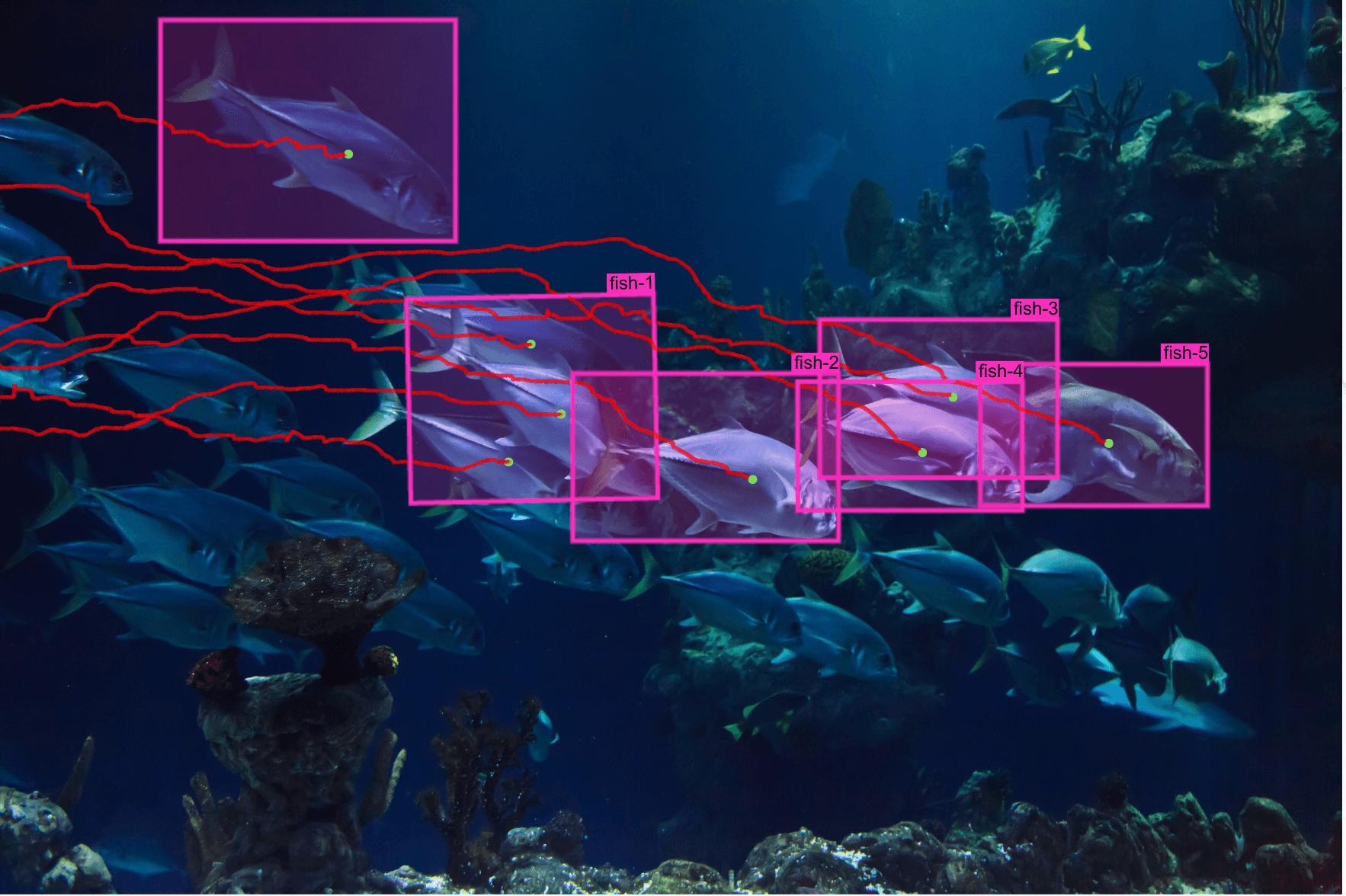
What Is Image Tracking?
Image tracking is a computer vision technique that follows the movement or evolution of specific objects across a sequence of images or over time.
It allows AI to detect, identify, and continuously monitor entities—such as cells, tissues, or organisms—to analyze their behavior, interactions, and changes.
In biological or medical imaging, tracking enables researchers to go beyond static analysis and explore dynamic processes, such as:
Cell migration or division
Tissue growth and regeneration
Organism behavior and motion patterns
Tracking in Research and Medicine
Tracking Cells and Biological Processes
In biomedical research, tracking is key to understanding the fundamental mechanisms of life.
By following individual cells over time, AI models can detect how they move, interact, or respond to stimuli. This helps scientists:
Study cellular dynamics and morphology
Monitor the evolution of diseases at the microscopic level
Assess the impact of drugs or treatments in real time
BionomeeX’s image tracking technology automates these analyses, dramatically reducing manual observation time while increasing precision and reproducibility.
Environmental and Ecological Tracking
In environmental sciences, tracking allows monitoring of organisms, roots, or leaves across time-lapse imaging sequences.
This enables:
Studying plant growth and stress responses
Quantifying behavioral patterns in animals or ecosystems
Detecting environmental changes over long observation periods
By combining tracking and segmentation, we generate an in-depth view of both structure and motion, revealing how living systems evolve in their natural environment.
Advanced AI Solutions
Our AI solutions leverage state-of-the-art deep learning models and transformer architectures to achieve robust, adaptive, and noise-tolerant tracking, even in complex datasets.
With HiXloop, our interactive annotation and analysis platform, users can validate and refine AI predictions through a Human-in-the-Loop approach, ensuring accuracy and scientific transparency.
We design tracking workflows capable of:
Linking multiple time frames in microscopy videos
Distinguishing between objects that merge, split, or change shape
Generating quantitative data such as speed, trajectory, or lineage maps