AI
What is image detection ?
Oct 29, 2025
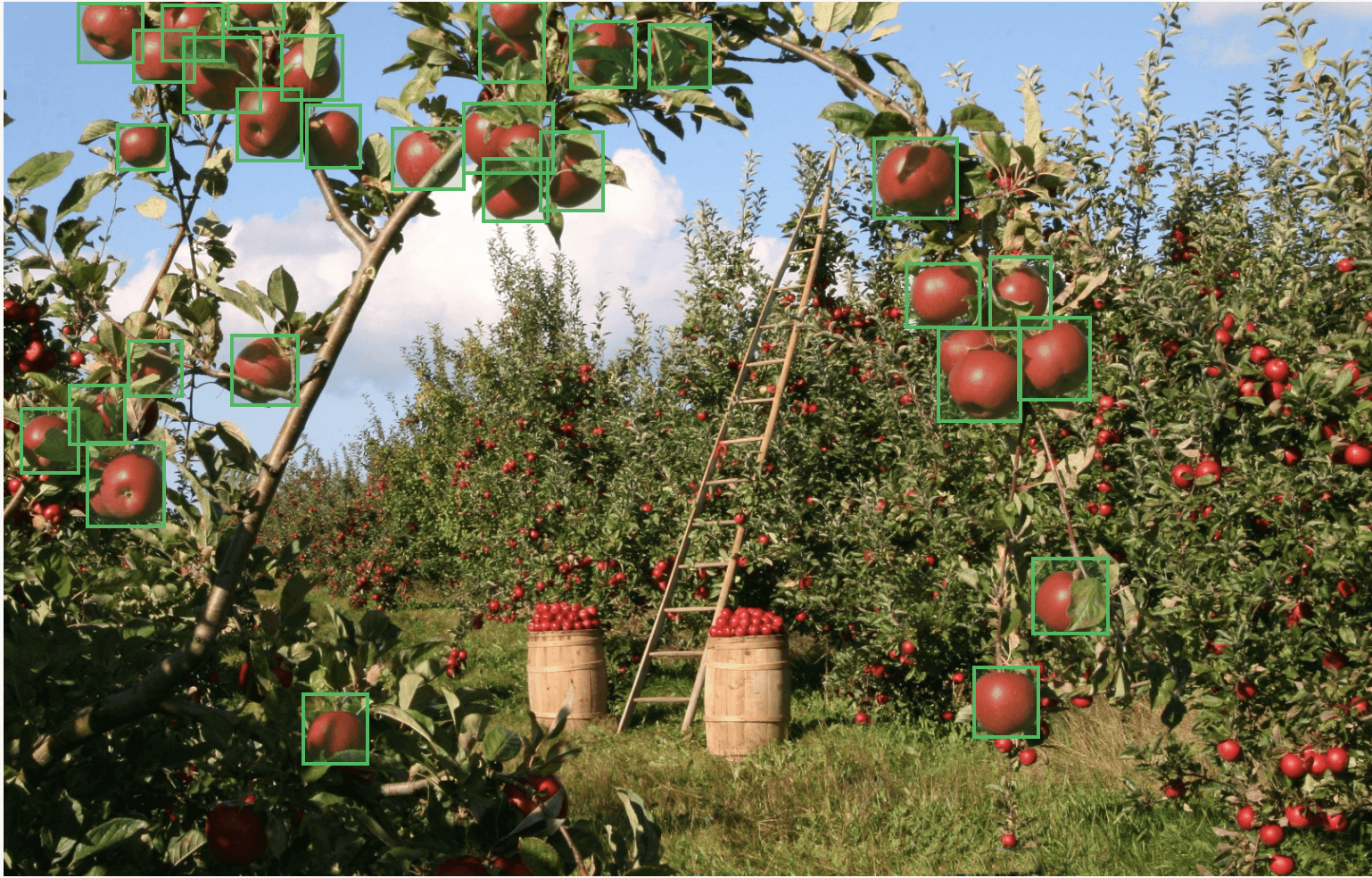
What is Image Detection?
Image detection is a computer vision process that enables an algorithm to automatically identify and locate objects or structures within an image.
Unlike classification, which only tells what an image contains, detection goes one step further: it tells where each element is found.
For researchers, this means they can precisely locate cells, tissues, or anomalies in a sample without manually annotating thousands of images.
At BionomeeX, we build AI models capable of detecting objects with pixel-level precision, even in noisy, complex, or high-resolution datasets.
Why Detection Matters
Detection is the first step in understanding what an image reveals. It allows scientists to move from a raw visual signal to structured biological information.
Once detected, objects can be:
Segmented
Tracked
Quantified
This forms a complete analytical pipeline from visualization to measurement.
Examples of Detection in Practice
Identifying abnormal cells in histopathological slides
Detecting tumors or lesions in medical scans
Locating roots, leaves, or organisms in environmental images
Recognizing specific biomarkers or genetic expressions in microscopy data
By automating these tasks, BionomeeX allows scientists to analyze entire image datasets with consistency, accuracy, and scalability.
Medical Imaging and Diagnostics
In healthcare and clinical research, detection algorithms help identify anomalies that may indicate disease.
Our technology is used to:
Detect early-stage tumors or abnormal tissue structures
Assist in radiology and histology image analysis
Support diagnostic and prognostic decision-making
Biology and Environmental Sciences
In biology and ecology, detection enables the identification of multiple entities across complex images—cells, plants, animals, or microorganisms—within their natural or experimental environments.
These detections provide the foundation for deeper analyses, such as quantification and pattern recognition.